Sunday, February 3, 2008

Amiodarone-Induced Pulmonary Toxicity


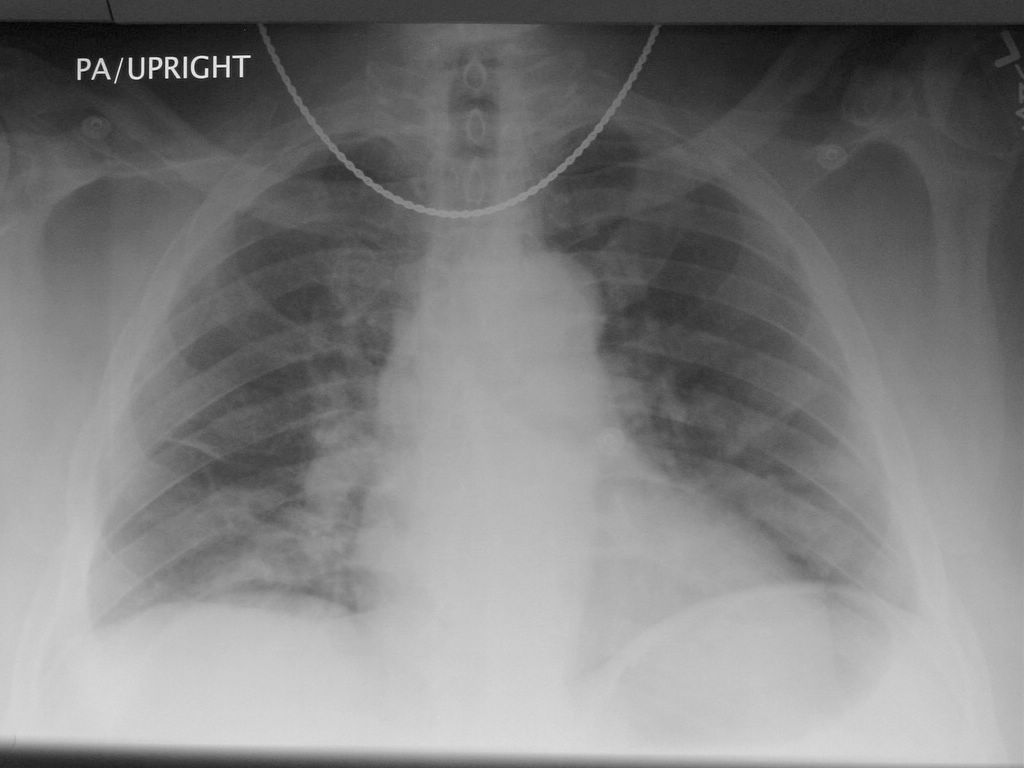
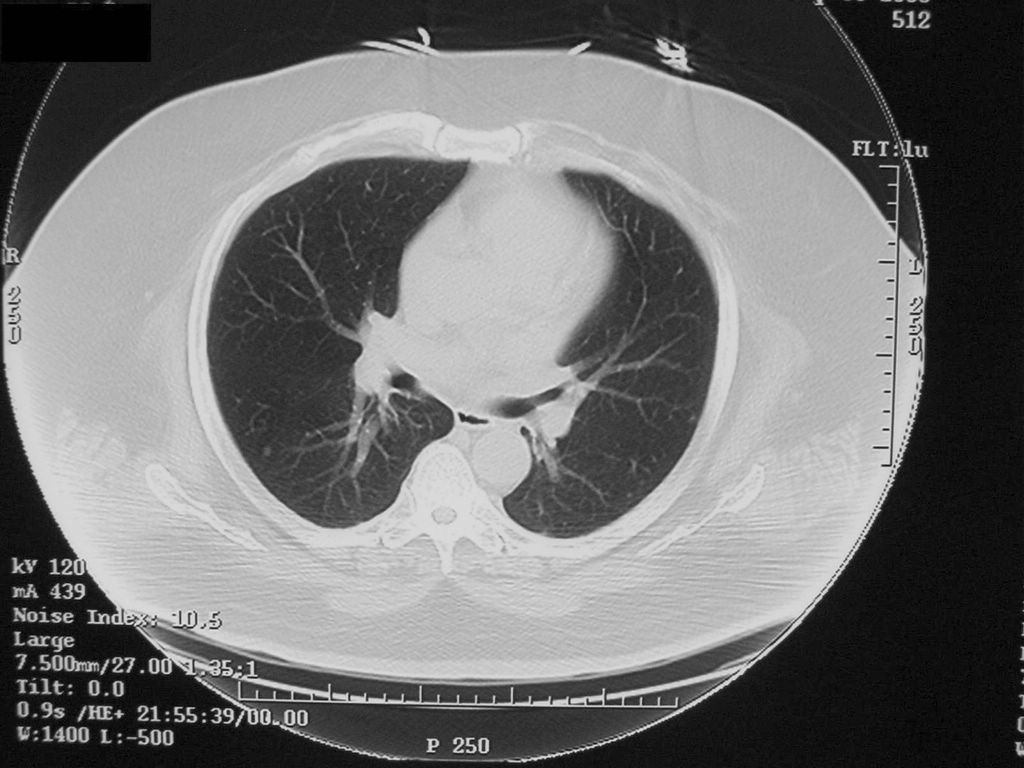
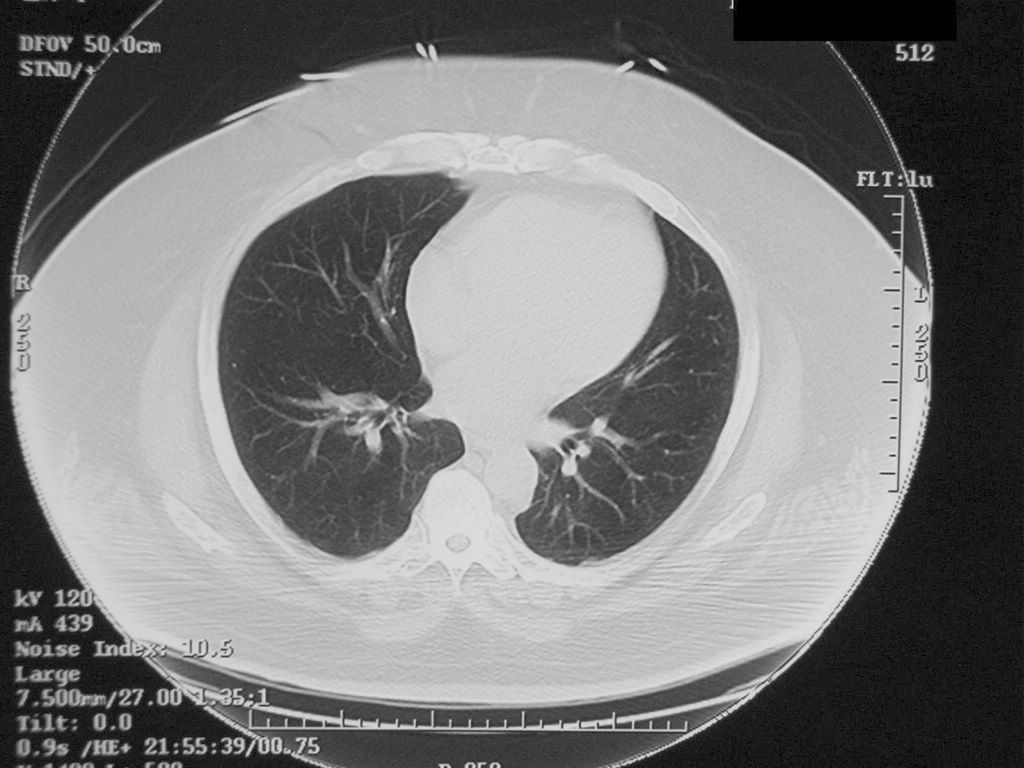
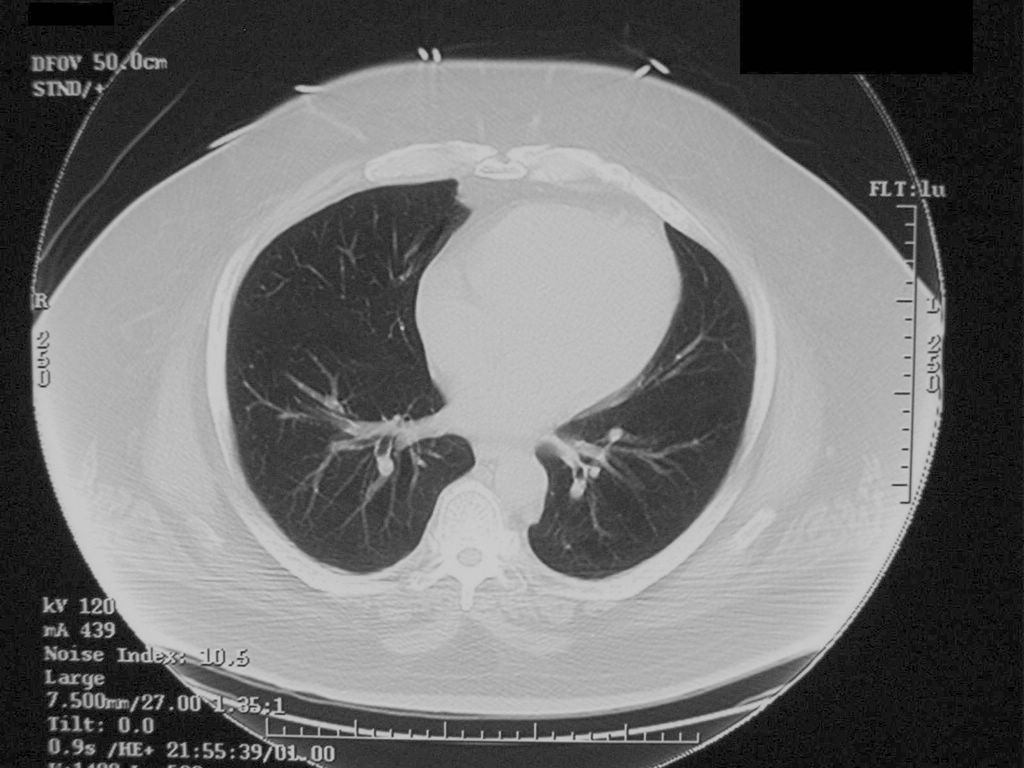
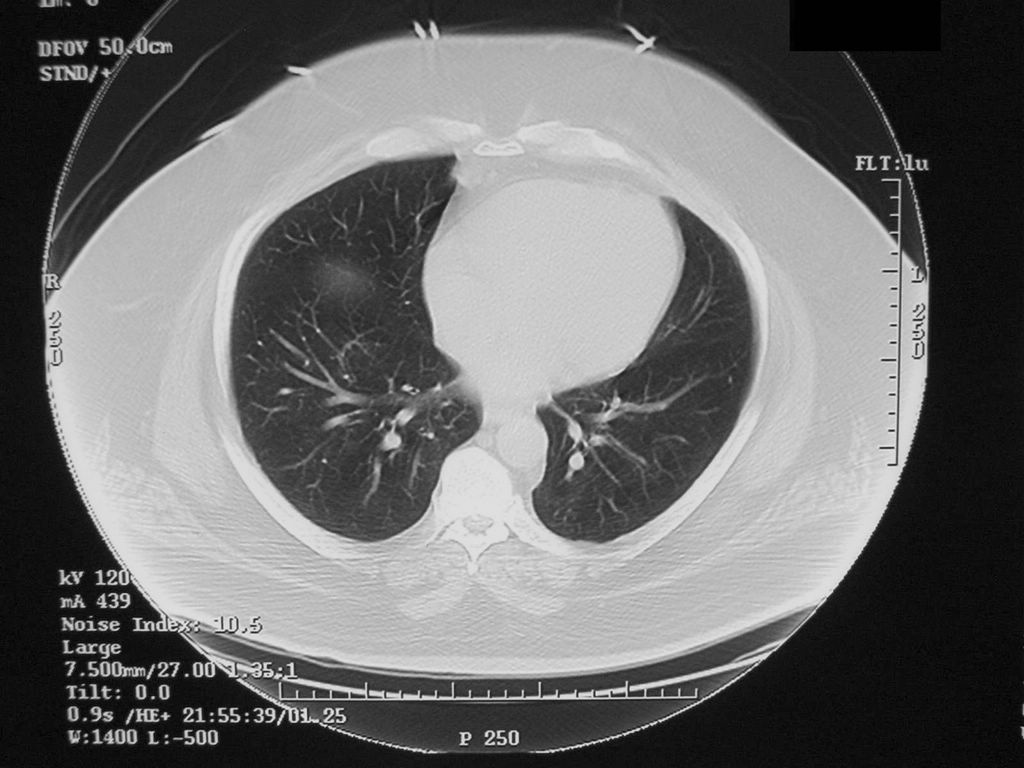
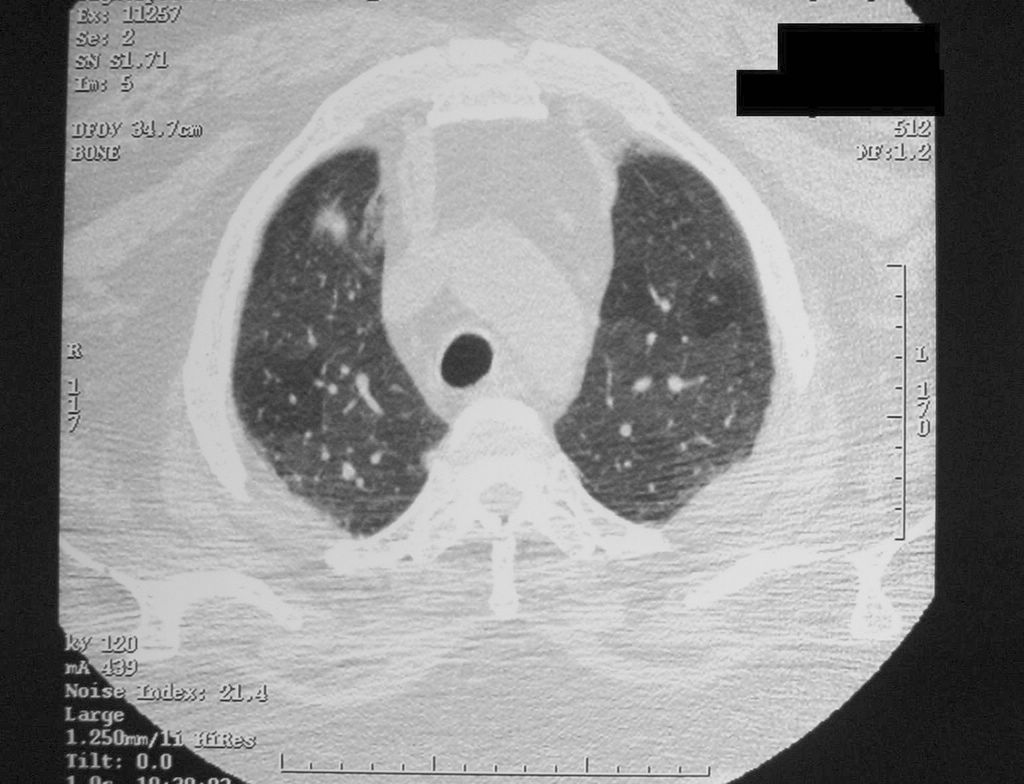
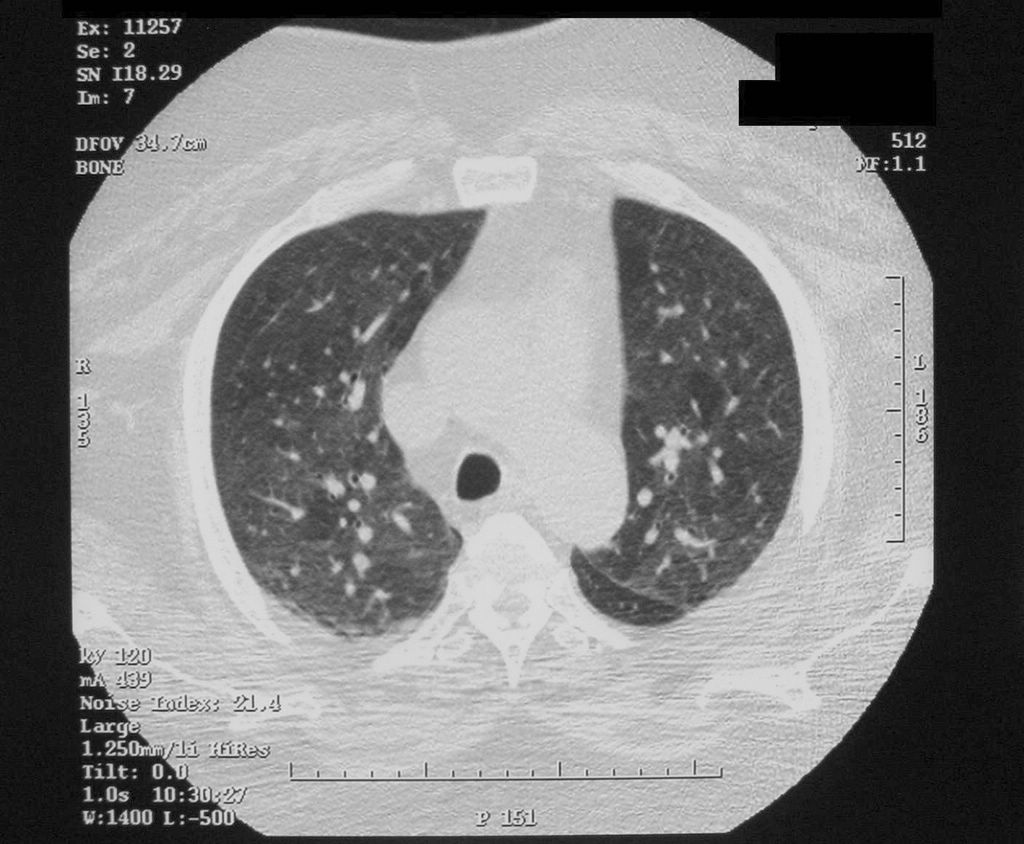
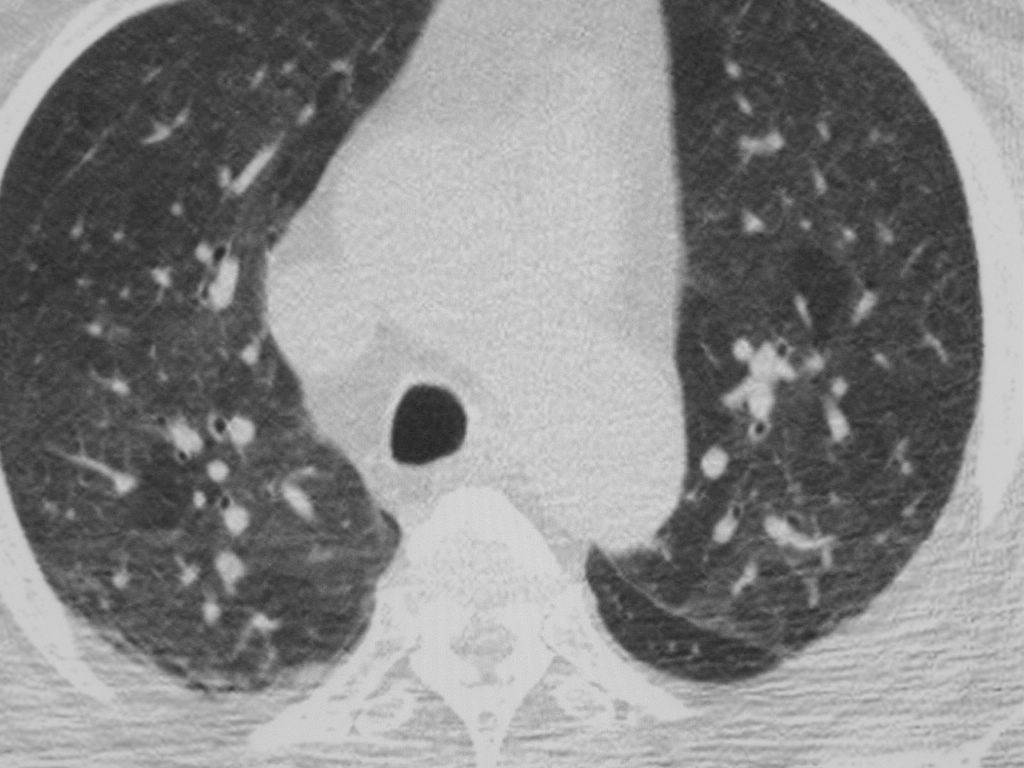
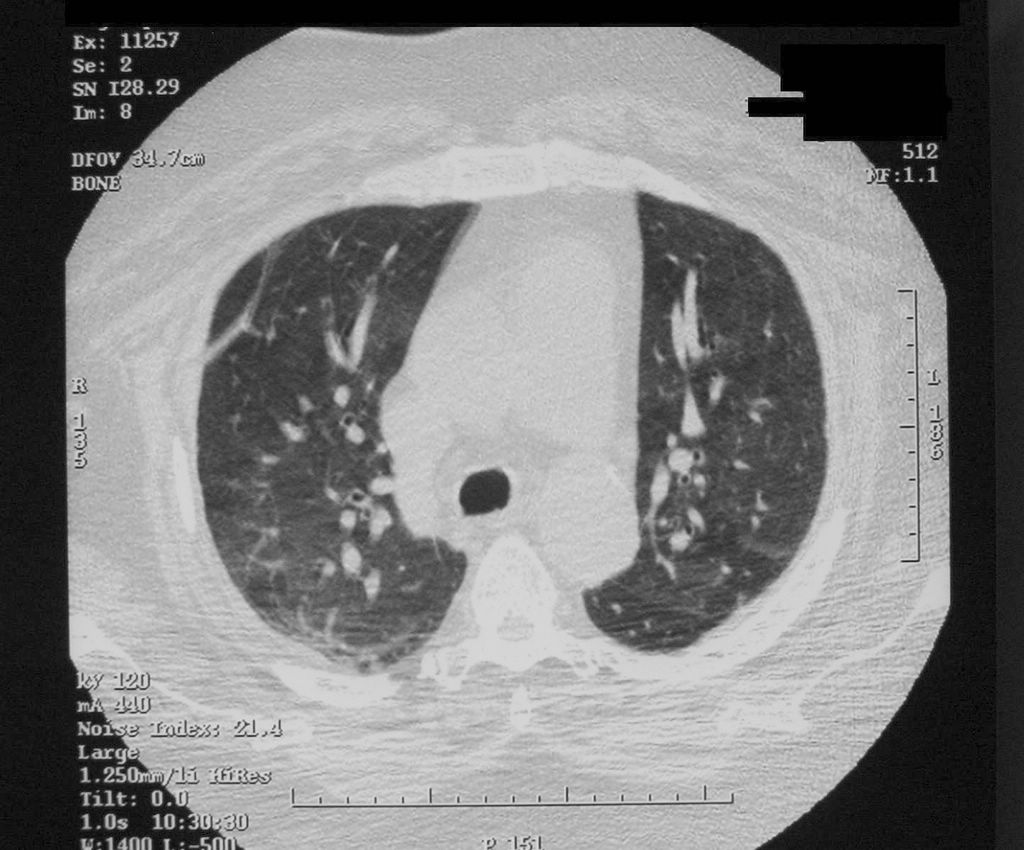
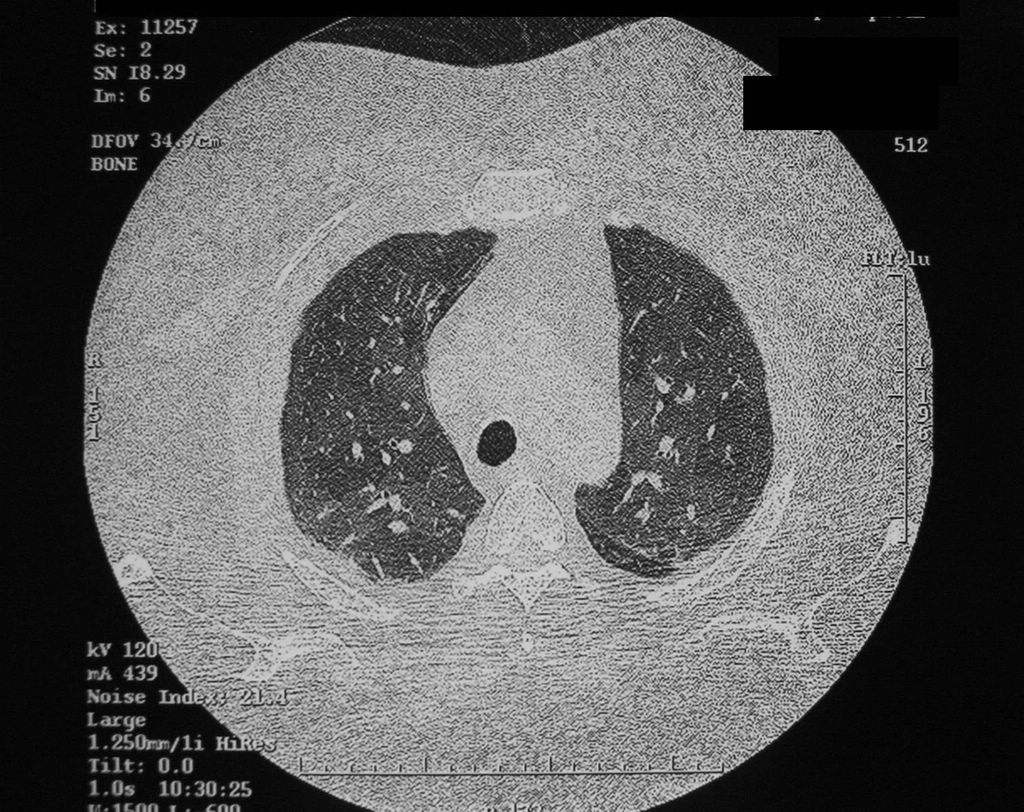
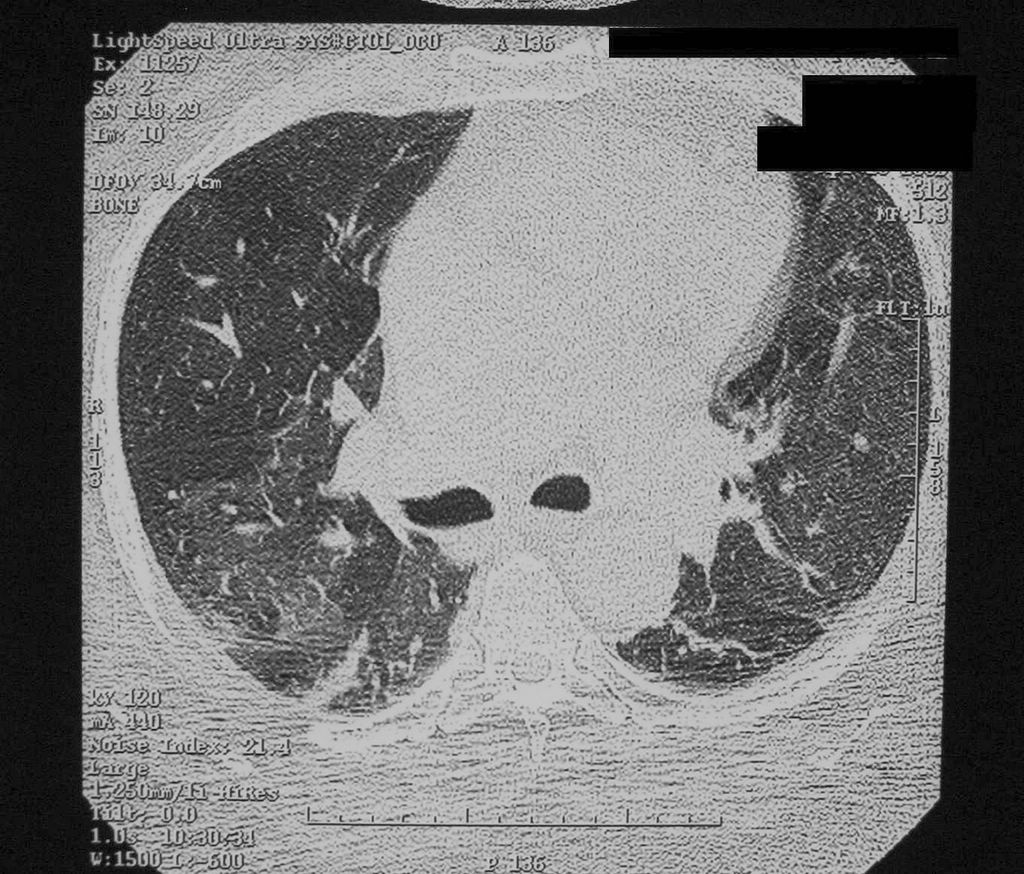
57 yo AAM is admitted to the hospital with SOB for 7 days. He has leg edema which is getting progressively worse, to the point where his scrotum, penis and even his lower abdomen are now edematous. No CP or abdominal pain. He is morbidly obese and has difficulty ambulating, uses a wheelchair at home.PMH: CHF, HTN, DM2, CAD, CRI, BPH, AFib, Gout, OA, OSA on home O2 3 L/min and CPAPMedications: KCl, Coreg, Zocor, Flomax, Lasix, Clonidine, Percocet, Nifedipine XL, Humulin N, aerosols, AmiodaroneFMH: HTNSH: negativePhysical examination:VS 36.4-80-22-160/77SpO2 94% on 3 L/minMorbidly obese, appears mildly tachypneicChest: mild respiratory distress with RR 22, bibasilar ralesCVS: irregularly irregular rhythmAbdomen: obese, soft, generalized anasarca with edema extending up to the level of his umbilicus. His penis and testicles are edematous. He has 2 to 3+ peripheral edema with bilateral Dome wraps on for management of stasis edema.CXR showed pulmonary congestion.CBC, CMPDiagnosis:Right-sided and left-sided CHF.What happened?He was started on Lasix and CPAP.He was ruled out for AMI but he continued to be tachypneic and hypoxic.What happened next?Amiodarone-induced pulmonary toxicity was suspected.The patient was diagnosed with AFib with RVR, difficult to control, approximately one year ago. He was started on Amiodarone 400 mg qd, decreased to 200 mg qd.What are the tests of choice for Amiodarone-induced pulmonary toxicity?High-resolution CT scan of the chestPFTDLCOCT of the chestHigh-resolution CTHigh-resolution CTCT of the chest report:Nonspecific diffuse ground glass mosaic pattern of the lung parenchyma. There are bilateral linear scars or atelectases particularly into the lower lobes and right middle lobe.Impression: Nonspecific ground glass mosaic pattern indicating interstitial lung disease.Follow-up dedicated CT scan of the chest is recommended to confirm.Final diagnosis: Amiodarone-induced pulmonary toxicityWhat did we learn from this case?Amiodarone-induced lung toxicity occurs in 6-15% of the patients treated. A drop of 15% in DLCO helps to make the diagnosis.Toxicity occurs even at the lower Amiodarone doses like 200 mg qd.Treatment is with a corticosteroid trial as with the other idiopathic interstitial lung diseases. There is no RCT proving that steroids are beneficial.References:Prescribing Amiodarone: An Evidence-Based Review of Clinical Indications. JAMA, 2007.Pneumonitis and pulmonary fibrosis associated with amiodarone treatment: a possible complication of a new antiarrhythmic drug. This is the first report of Amiodarone-induced pulmonary toxicity. Circulation.org, 1982.Amiodarone - Reevaluation of an Old Drug. Annals of Int Med.Amiodarone-Induced Pulmonary Toxicity. NEJM Images.Pulmonary Fibrosis, Idiopathic. eMedicine.Amiodarone pulmonary toxicity. VH.org.Amiodarone: Guidelines for Use and Monitoring. AFP 12/2003.
Labels: ,

Respiratory Depression due to Opioid and Benzodiazepine Overdose


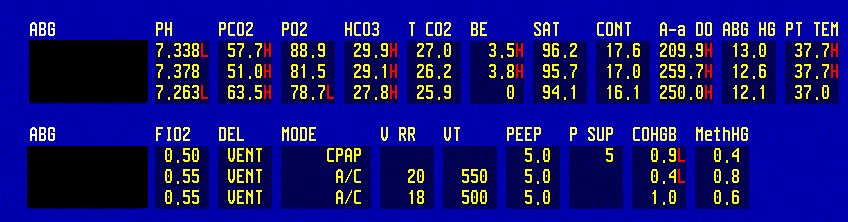
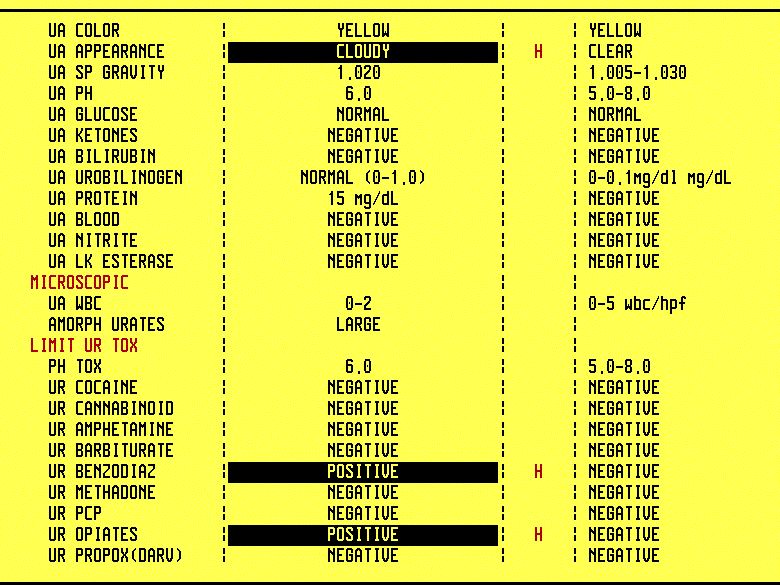
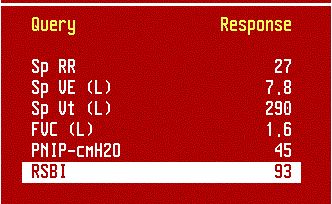
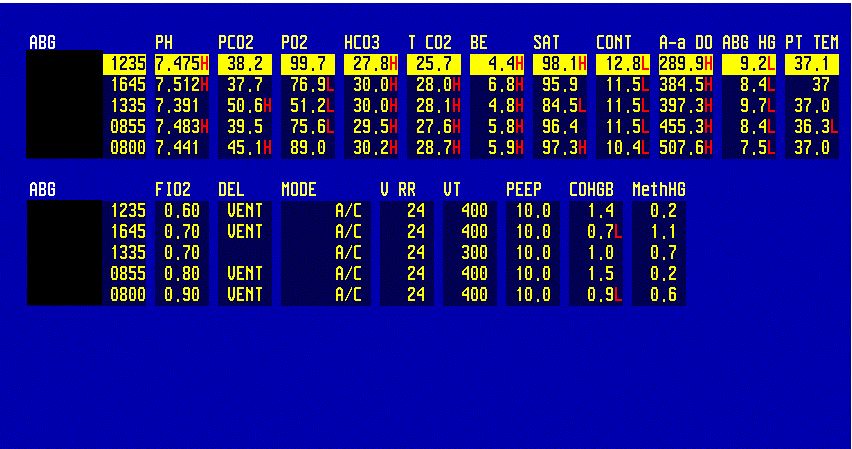
76 yo AAF with COPD was noted to be very lethargic by her family. She takes Vicodin for chronic back pain. On arrival in the ER, the patient is unresponsive. ABG is ordered.PMH: COPD, LBP, DM2, HTNMedications: HCTZ, aerosols, insulin, Vicodin, Ambien, ASAPhysical exam:Obese lady who is visibly SOB and lethargicChest: diminished air entry (B)CVS: Clear S1S2Abdomen: Soft, NT, NDExt: no edemaNeuro: grossly nonfocal, lethargicWhat do you think is going on?Respiratory depression due to opioid and benzodiapine overdose.She was taking Vicodin for chronic back pain and Ambien for sleep.What tests would you order?CBCD, CMPABGCXR, EKGCPP x 2 q 8 hrABG (click to enlarge):ABGs in opioid/BDZ overdose shows respiratory acidosis with compensatory metabolic alkalosis. The patient is a long-term COPD-er and this is the reason for the metabolic compensation. She retains HCO3 to compensate for the the chronic respiratory acidosis.CXR showed COPD changes, EKG was unremarkable.She was intubated because initially she was very lethargic and PaCO2 was 76.Note that first she was on A/C and after a successful CPAP trial, she was extubated.Urine toxic screen shows opiates and benzodiazepinesWhat happened?Narcan is the drug of choice to be given to patients with opioid overdose.She became more awake, the weaning parameters were good (see the picture), and she was successfully extubated.Weaning parameters. The most important one is RSBI (rapid shallow breathing index). If RSBI is less than 100, the chances for successful extubation are more than 85%. Patients who fail the extubation attempt usually develop pulmonary edema or have stridor due to laryngeal edema from the endotracheal tube.After the extubation, she had some wheezing and was treated for a few days with steroids.During the hospital stay, a drop in her nocturnal SpO2 was noted. SpO2 was as low as 82% and dynamic CPAP had to be used.We are virtually certain that she has OSA because she has most of the features - obesity, thick neck, snoring at night, sleepiness during the day, and nocturnal desaturation. She will need a formal sleep study as an outpatient to determine the correct BiPAP or CPAP settings.Final diagnosis: Respiratory failure due to opioid and benzodiazepine overdose.What did we learn from this case?For COPD patients with chronic CO2 retention, it does not take much to push them over the top to acute respiratory acidosis.Be careful when you prescribe opioids in COPD patients. It is better to avoid BDZ. Benadryl can be used as a sleeping aid instead of BDZ.

Right lung collapse in a ventilated patient due to mucus plug


32 yo AAF was admitted to the hospital with aspiration pneumonia and respiratory failure. She was not weanable from the ventilator and a tracheostomy was placed. The patient was admitted to an acute long-term care facility where she was following a chronic weraning protocol. While there, she had had a cardiorespiratory arrest and developed anoxic encephalopathy. The family insists on full code.She is in ICU on vent. ABGs and CXRs show ARDS. Serial CXRs revealed worsening right lung collapse.


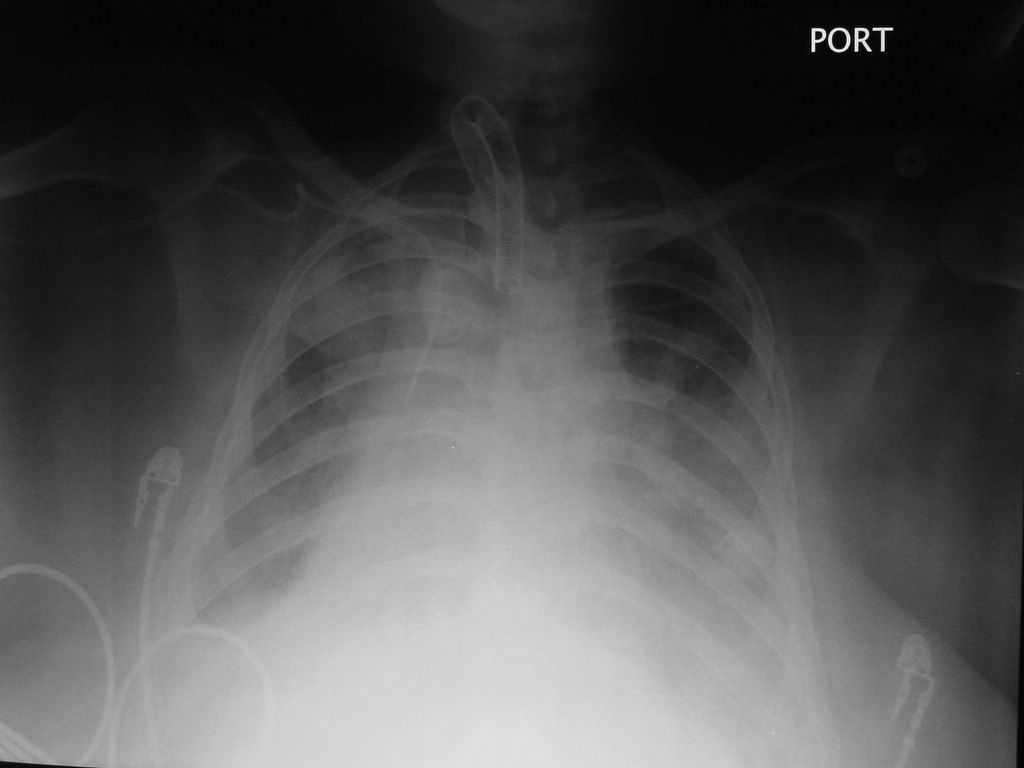
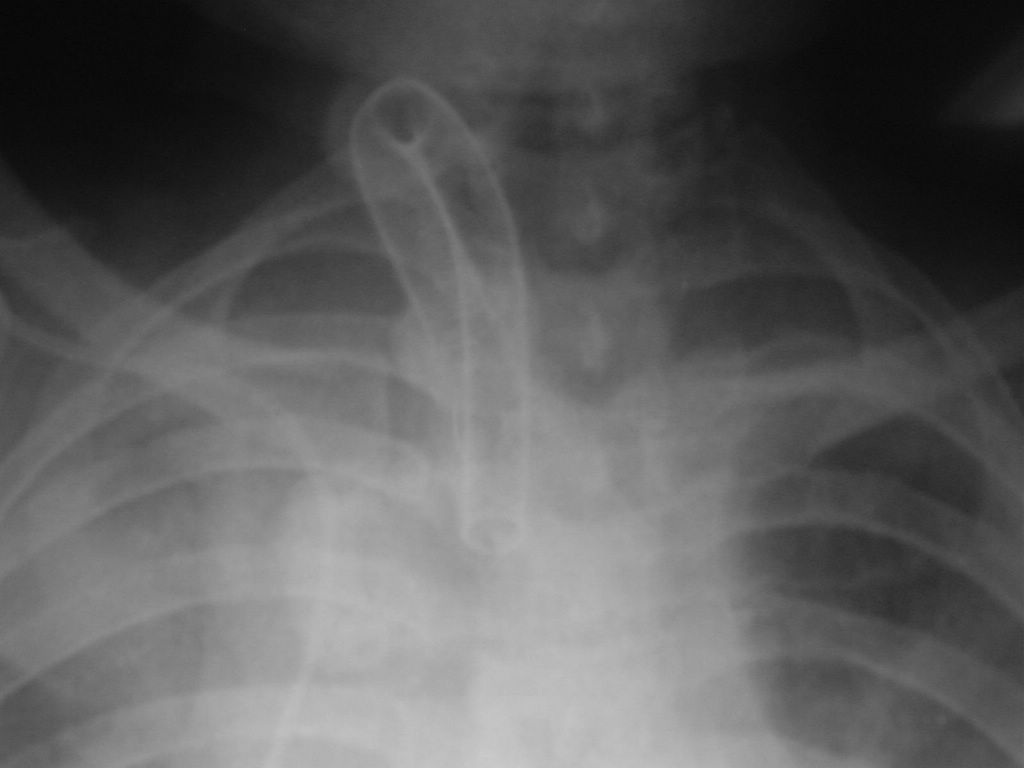
CXR report:Since yesterday, limited portable supine is the exam shows stable opaque right thorax mediastinal shift to the right, likely collapse of right lung with an endobronchial obstruction including underlying neoplasm considered as well as mucus plugging bronchogenic obstruction. Haziness of left mid and lower lung likely represents layering of left pleural effusion. Right cardiac border remains obscured.What is the reason for the right lung opacification?Mucus plug is the most likely cause for lung collapse in this patient.DDx: CA (unlikely at this age)What to do?Bronchoscopy with mucus plug susctioning.But first you have to check the size of the tracheostomy tube because the bronchoscope does not pass if the tube size is less than 8.Her t-tube is 6. ENT consult was called and the t-tube was replaced with another one, size 8.In the meantime, Mucomyst aerosol q 4 hr was started.What happened?Two hours after the t-tube was replaced and the tube was suctioned, the CXR showed a complete resolution of the right lung atelectasis. The oxygenation improved and the FiO2 was decreased. Mucomyst was stopped because it may act as an airway irritant on its own. A bronchoscopy was not needed.CXRTrachea was suctioned and the ETT was changed with a larger one, size 8. The removed ETT was filled with thick yellow-grey mucus. The follow-up CXR showed reexpansion of the right lung. See the close-up of the ETT, size 8 is the minimal size allowing the passage of a bronchoscope.CXR report:There is improved aeration of the right lung. There are infiltrates or atelectases in the both lungs with pleural effusions. There is again cardiomegaly with pulmonary venous hypertension and CHF. The life support device placement is unchanged.ABGs show a decrease in the required FiO2 after the atelectasis resolvedFinal diagnosis: Right lung collapse in a ventilated patient due to mucus plugWhat did we learn from this case?There are several causes for sudden deterioration of oxygenation of a ventilated patient:-Pneumothorax-Atelectasis-Pulmonary edemaAtelectasis is often due to mucus plug and can be resolved by suctioning of the ETT.In all cases of sudden deterioration, the patient needs a CXR immediately

OSA, Sleep Study and CPAP settings

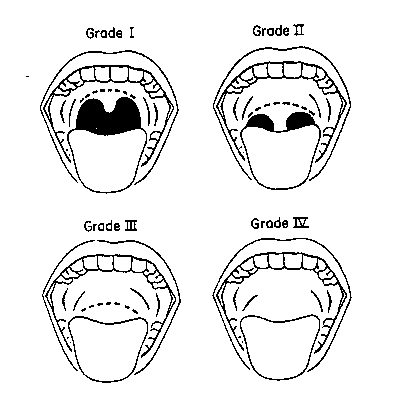
27 yo CM, morbidly obese is seen for preoperative evaluation for Roux-en-Y gastric bypass surgery. He has suffered from obesity for many years and has tried numerous weight-reduction programs with no success. His current weight is 395 pounds, and his height is 5 feet, 11 inches. He denies any symptoms of chest pain, palpitations, heart murmurs or irregular pulse. No history of orthopnea. He has exertional dyspnea. No history of asthma, emphysema or chronic cough. No history of smoking.PMH:Obesity, OSA (a sleep study was ordered), DJD, psoriasisSH:Denies any history of alcohol, tobacco or illicit drugs.FH:Father has OSA.Medications:Motrin PRN, HCTZPhysical examination: VS 36.8-16-84-133/85Morbidly obese, in NADThe rest of the examination is unremarkable.EKG: NSR, HR 79, left axis.What happened?He had a sleep study which conformed the clinical suspicion of OSA. The recommended setting was CPAP 10 cm H2O QHS. The first step in treating OSA is to find the right CPAP setting. The second is to find the device that fits the patient and is tolerated. Nasal trumpets are tolerated best but they cannot deliver pressure higher than 10 cm H2O. The full face mask is the most effective device, delivering pressure up to 20 cm H20, but many patients experience claustrophobia, find it very uncomfortable, and for these reasons, do not use it.Sleep Study ReportWeight (lbs) = 406Height = 70Study type: SPLIT NIGHT PSGIndications: Loud snoring, excessive daytime sleepiness.ESS = 6PMH: morbid obesityMedications: Ambien given for the testHe is undergoing preop evaluation for bariatric surgeryPROCEDUREAn overnight/daytime full montage split night polysomnography was performed, recording EEG, EOG, chin and leg EMG, EKG airflow, thoracic and abdominal effort, snoring via a microphone, pulse oximetry, body positioning and CPAP pressure.SLEEP ARCHITECTURE=Total recording time=395sleep efficiency was=increasedSleep efficiency (normal about 85%)=96Sleep latency was=reducedSleep Latency in minutes (normal 15-20 min)=3Sleep architecture revealed=reduced amounts of REM sleepREM % of TST (normal=20% of TST)=0.5REM latency was=REM was absent(Normal REM latency 70-120 min)=66REM rebound was seen on CPAPRESPIRATORY SUMMARY:At (cmH20) =0L/min O2 =0Baseline SpO2 %=97Min SpO2 %=87NREM AHI=109REM AHI=240Overall RDI=112Overall AHI=110Respiratory Index=2Obstructive apneas=38Central Apneas=0Hypopneas=158Respiratory Effort Related Arousals (RERAS)=4SNORING DATA:Snoring without CPAP (% of sleep time)=49Snoring was reported as=loudCPAP ANALYSIS:CPAP titration was started at=5CPAP/BiPAP final pressure=13In this study the most adequate pressure was=10Higher pressures =no significant benefitIMPRESSION:Obstructive Sleep Apnea with hypersomniaOSA=severeRECOMMENDATIONS:Avoid sedatives, hypnotics and narcotics=unless sleep apnea treated.CPAP/BIPAP cm H20=10.Do not operate heavy machinery or drive=unless OSA/other sleep disorder treatedWeight reduction=to IBWHeated humidifier=with CPAPWhat happened next?He has been on CPAP for 2 weeks and today he had a Roux-en-Y gastric bypass surgery 2 hours ago.He has been on CPAP for more than one week, VS are stable and he can be transferred to RMF.What did we learn from this case?The most important parameter for diagnosing OSA is AHI (Apnea-Hypopnea Index). In healthy people AHI is less than 10.If you have to choose just one number to diagnose OSA, choose AHI. As a single measurement AHI is comparable to the importance of RSBI in weaning and extubation. RSBI of less than 100 predicts the successful extubation of a ventilated patient in 85 percent of the cases.This is a simple bedside evaluation for OSA:Physical exam - just check two things:-Neck sizeThe risk size for OSA is 17' for men, and 16' for women-Look inside the patient's mouth: "Open your mouth please" and check the the Mallampati Score (MS)Mallampati Score (source: med.univ-rennes1.fr)History:-Epworth Sleepiness Scale (ESS), if more than 12, the patient is at high risk for OSAReferences:Obstructive Sleep Apnea-Hypopnea Syndrome - eMedicineSnoring and Obstructive Sleep Apnea, Upper Airway Evaluation - eMedicineEpworth Sleepiness Scale - University of Maryland, SMMC.com,Treatment of Obstructive Sleep Apnea in Primary Care - AFP 02/04Obstructive Sleep Apnea - AFP 11/99Dr. Magboul Anesthesia page - MSNObstructive Sleep Apnea as a Risk Factor for Stroke and Death - NEJM 11/05Continuous Positive Airway Pressure for Central Sleep Apnea and Heart Failure - NEJM 11/05Sleep — A New Cardiovascular Frontier - NEJM Editorial 11/05

Bariatric Surgery Patient After the Roux-En-Y Operation

57 yo CF with PMH of morbid obesity is seen just after Roux-En-Y gastric bypass surgery (RYGB).PMH:Morbid obesity, HTN, GERD, Depression, OSA on CPAP, DM2, HPL, DJDMedications:Mavik, Metoprolol, Nexium, Zoloft, Zocor, ASA, Relafen, NPH insulin, MetforminPhysical examination:Obese lady in NADVS 36.7-16-72-140/85 SpO2 96% 0n 5LChest: CTA (B)CVS: Clear S1S2Abdomen: surgical dressingExtremities: no c/c/eWhere should this patient go after surgery - regular floor or ICU?First, ask how long she had been on CPAP for OSA.If more than 7 days and VSS, she can go to RMF.If less than 7 days, she needs to go to the unit for an overnight stay.What else should you do?Check the CPAP settings. Most patients know the settings of their CPAP machine. Usually it is 5-20 cm H2O (not mm Hg).If the patient does not know her CPAP setting, you can initially use a dynamic CPAP machine which adjusts the pressure automatically.Always try to get the correct CPAP setting. To make a presumption is just like saying "hmmm...we do not know the Dig dose but let's try 0.25 mg..."What should we do with all those pills she was taking before the surgery?Restart the antidepressant and PPI.Start SSI with Accuchecks qid.Do not restart the NPH insulin, statin and BP medications automatically. Wait to see what this patient's PO intake will be.Most patients have a significant weight loss after surgery and they may not need medications for their insulin resistance, HTN and hypercholesterolemia because these problems either resolve ot improve.You cannot use extended release tablets because in the first few weeks they have to be crushed. Bariatric surgery patients are fed pureed diet for 2-3 weeks.Incentive SpirometryThere is another key question to ask: How much do you do on the incentive spirometer?The baseline value is determined prior to surgery. After the operation, the patient is expected to reach at least 30% of the baseline.If the patient blew out 2000 cc on the spirometer before the surgery, she is are expected to reach 700 cc now. Most patients perform much better though.Incentive spirometry is important to prevent atelectasis and then unnecessary work-up for fever.Key Points of Interest After RYGB:CPAP setting and duration of the treatmentIncentive SpirometryChange in the medicationsDietWhat did we learn from this case?There is a list of 4 medical problems seen very commonly in bariatric patients: HTN, DM 2, DJD and depression.After extubation, and before transferring the patient to the floor, make sure that she does nothave stridor due to glottic edema or wheezing/crackles due to pulmonary edema.Incentive spirometry is essential in the postoperative period. If the patient did 2000 cc pre-op, they have to reach at least 30 percent of this after surgery (1000 cc is great).

References:

Patient Education for Incentive Spirometry - University of Utah Health Sciences CenterIncentive Spirometry - AARC Clinical Practice GuidelinePreventing respiratory problems after abdominal surgery - BMJ 1996, Tips from Other Journals - AFPObesity: Assessment and Management in Primary Care - AFP 06/01The Risks of Bariatric Surgery - Other Perils of Overweight - NY Times 05/05A case of gastric bypass surgery that went wrong. Struggling with Body Image During the Holidays - NPR 11/05

MEDICINE

Hello friends
This website is the result of my past two years work , i have collected all the study material for medicine students here you can good study material .i'll post the study material in all topics if you want any madicine books as e-book or in mobile contact me......................